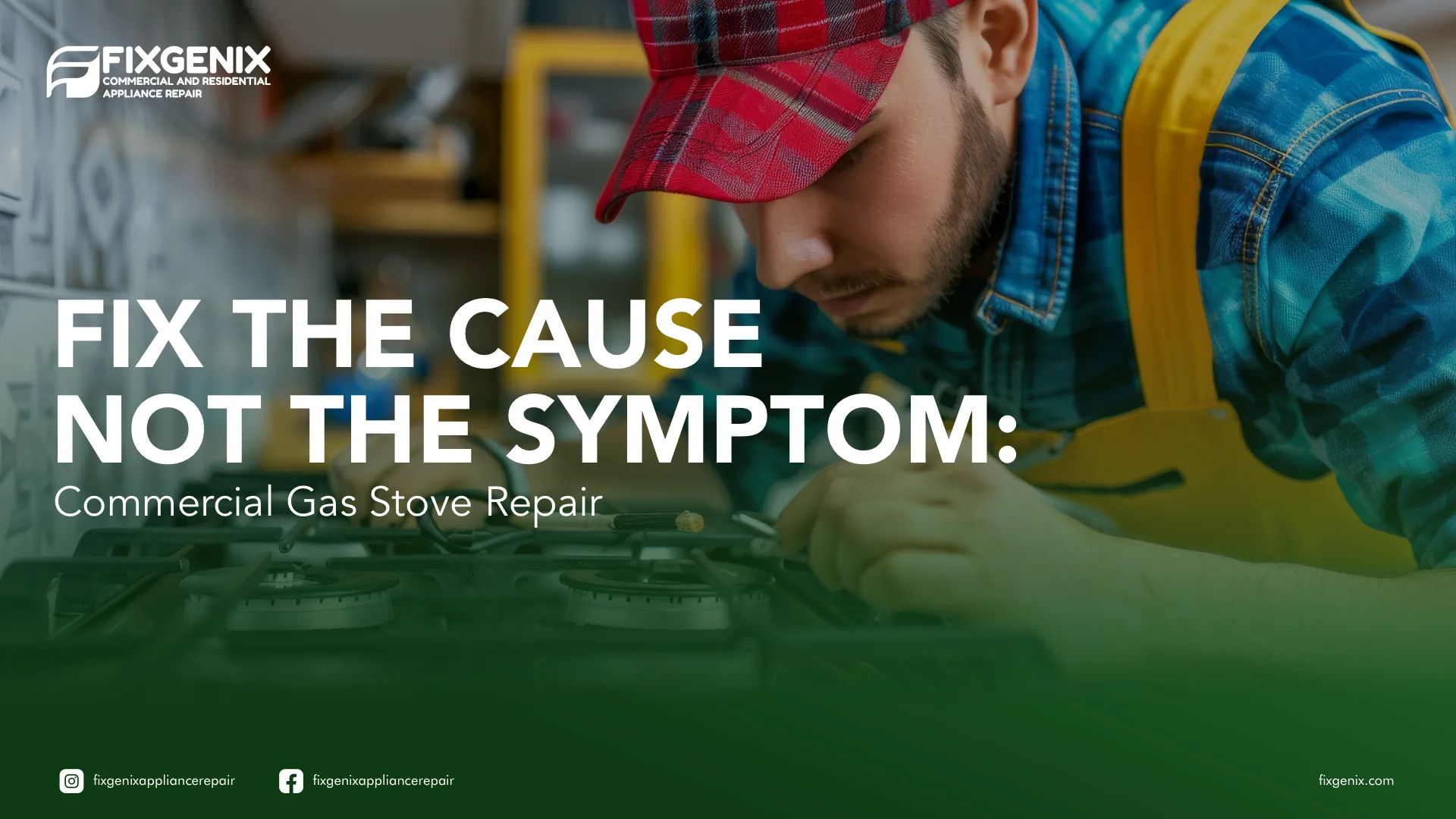


A stove that won’t ignite is more than just an inconvenience, it can disrupt your daily routine or even your business operations. Whether you’re preparing meals at home or running a commercial kitchen, a non-functioning stove can quickly become a serious problem.
At first, it might seem like a minor issue. However, if left unchecked, it can lead to bigger complications, including gas leaks, costly repairs, or complete appliance failure.
So, why is your stove not igniting? More importantly, what should you do about it?
In this guide, we’ll break down the most common causes, practical solutions, and preventive steps to keep your stove running safely and efficiently.
Why Your Stove Is Not Igniting
Before jumping into fixes, it’s important to understand how your stove works. Most modern gas stoves rely on:
- Gas flow
- Ignition system (spark or electric igniter)
- Burner components
When one of these elements fails, the stove won’t ignite. Therefore, identifying the root cause is the first step toward solving the issue.
Common Causes of Stove Not Igniting
1. Dirty or Clogged Burner
One of the most common reasons a stove won’t ignite is a clogged burner.
Over time, food particles, grease, and debris can block gas flow. As a result, the igniter clicks, but no flame appears.
How to fix it:
- Turn off the gas supply
- Remove the burner cap
- Clean with a soft brush or needle
- Ensure all holes are clear
Regular cleaning is essential, especially in commercial kitchens.
2. Faulty Igniter (Spark Not Working)
If you hear clicking but no spark—or no clicking at all—the igniter may be faulty.
Signs:
- No visible spark
- Weak or inconsistent ignition
Solution:
- Inspect for moisture or dirt
- Dry the igniter completely
- Replace if damaged
For professional help, visit: https://fixgenix.com/
3. Gas Supply Issues
Sometimes, the problem isn’t the stove—it’s the gas supply.
Possible causes:
- Gas valve turned off
- Low gas pressure
- Supply interruption
What to do:
- Check the gas valve
- Ensure supply is active
- Contact your gas provider if needed
4. Moisture in the Burner
Surprisingly, moisture is a common issue. After cleaning or spills, water can get trapped in the burner system. Consequently, the igniter won’t work properly.
Fix:
- Let the burner dry completely
- Use a dry cloth or gentle heat
5. Misaligned Burner Cap
If the burner cap is not properly aligned, gas flow and ignition can be disrupted.
Solution:
- Reposition the burner cap correctly
- Ensure it sits flat and secure
6. Worn-Out Ignition Switch
In older stoves, the ignition switch may wear out over time.
Symptoms:
- No clicking sound
- Delayed ignition
Solution: This typically requires replacement by a technician.
Gas Stove vs Electric Stove Ignition Problems
While gas stoves rely on ignition systems, electric stoves operate differently.
Gas Stove:
- Requires spark ignition
- Sensitive to debris and moisture
Electric Stove:
- Uses heating elements
- Issues often relate to wiring or element failure
Understanding your appliance type helps narrow down the problem quickly.
Stove Not Igniting in Commercial Kitchens
In commercial environments, stove issues can escalate faster due to heavy usage.
Common causes:
- Grease buildup
- High-frequency usage wear
- Lack of scheduled maintenance
Therefore, commercial appliances require stricter maintenance routines.
Safety Risks You Should Never Ignore
A stove not igniting isn’t always harmless. In fact, it can indicate serious safety risks.
Potential dangers:
- Gas leaks
- Fire hazards
- Carbon monoxide exposure
If you smell gas:
- Turn off the supply immediately
- Ventilate the area
- Avoid using electrical switches
Safety should always come first.
How to Prevent Stove Ignition Problems
Prevention is always better than repair.
1. Clean Burners Regularly
Grease and debris buildup are the main causes of ignition failure.
2. Avoid Spills
Liquid spills can damage ignition systems and cause moisture buildup.
3. Schedule Routine Maintenance
Regular inspections help detect issues early.
4. Use Appliances Properly
Avoid forcing knobs or using incorrect settings.
5. Inspect Components Periodically
Check burners, caps, and igniters for wear.
When Should You Call a Professional?
While some issues are easy to fix, others require expert attention. Call a professional if:
- The igniter doesn’t spark at all
- Gas smell is present
- The problem persists after cleaning
- Electrical components are involved
Get expert help here: https://fixgenix.com/contact/
Why You Should Act Quickly
Ignoring a stove that won’t ignite can lead to:
- Higher repair costs
- Appliance replacement
- Safety hazards
On the other hand, early action:
- Saves money
- Extends appliance lifespan
- Ensures safe operation
Final Thoughts
A stove not igniting is more than just a minor inconvenience, it’s a warning sign. Fortunately, many of the causes are simple and easy to fix. However, some issues require professional attention to ensure safety and long-term performance.
The key is to act early. By maintaining your appliance, using it properly, and addressing issues as soon as they appear, you can avoid costly repairs and keep your kitchen running smoothly. When in doubt, always choose safety and consult a professional.
Frequently Asked Questions
Why is my stove not igniting but clicking?
This usually indicates a clogged burner or moisture affecting the ignition system.
Is it safe to use a stove that won’t ignite?
No, it can indicate gas or ignition issues that may pose safety risks.
How do I fix a stove that won’t light?
Clean the burner, check gas supply, and ensure components are dry and properly aligned.
When should I call a technician?
If the issue persists, involves gas smell, or electrical components are faulty.
Can a dirty burner cause ignition problems?
Yes, debris can block gas flow and prevent proper ignition.